Unearned revenue is always considered an important financial statement on the business balance sheet. Whether unearned revenue should be categorized as a liability or not. Unearned revenue is liable as per the accounting reporting principle. Unearned revenue is documented on the liabilities side of the balance sheet.

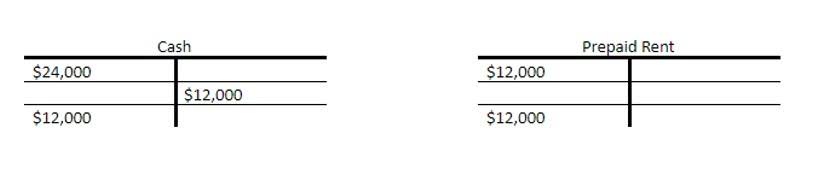
Prepaid rent
Other names used for this liability include unearned income, prepaid revenue, deferred revenue and customers’ deposits. Unearned revenue represents advance payments received by a company for goods or services yet to be delivered. Since the business has not fulfilled its obligation, this type of revenue must be carefully classified in financial records. It’s important to understand what type of what is unearned revenue account is unearned revenue, especially when preparing financial statements. In accounting, the terms deferred revenue vs unearned revenue are frequently used interchangeably. Both represent liabilities on a company’s balance sheet, reflecting payments received in advance for goods or services not yet delivered.
- However, even smaller companies can benefit from the added rules provided in the accrual system, so you may want to voluntarily work with accrual accounting from the start.
- Unearned revenue and deferred revenue are similar, referring to revenue that a business receives but has not yet earned.
- Instead of recording revenue when the magazine subscription is purchased, the company records unearned revenue in a liability account.
- But let’s look at a practical example to help solidify the concept.
- The amount received would be recorded as boo’s unearned income (current liability).
- There should be evidence of the arrangement, a predetermined price, and realistic delivery schedule.
Is unearned revenue a liability?
- If the services contract is met more than 12 months after the payment date, then the unearned revenue liability becomes a long-term liability.
- This is because there is a required adjusting entry to adjust the unearned portion of unearned revenue.
- Unearned revenue is common for sellers with services and subscription models.
- The revenue is then recognized as the revenues over the period of time over the life of services or subscriptions.
- This action reduces your liability (since you’ve fulfilled part or all of your obligation) and increases your revenue (because you’ve earned it).
- As goods or services are delivered, the unearned revenue account is debited, and the revenue account is credited.
Under https://johnsonandkleven.com/balance-sheet-formula-assets-liabilities-equity/ this, the exchange happens before actual goods or service delivery, and as such, no revenue is recorded by the company. The company, however, is under an obligation to provide the goods or render the service, as the case may be, on due dates for which advance payment has been received by it. As such, the Unearned Revenue is a Liability till the time it doesn’t completely fulfill the same, and the amount gets reduced proportionally as the business is providing the service.
- This means the business owes goods or services to customers who have already paid.
- In accounting and finance, unearned revenues are typically classified as liabilities until the related services are performed or products delivered.
- Unearned revenue is recognized as a current liability for the seller’s accounting records, as the revenue is not yet earned because the good or service hasn’t been delivered.
- The amount deducted from the unearned revenue account is then added to the earned revenue in the income statement.
- This will go against the matching principle because revenues have to be recognized in the period they were earned, along with expenses that related to that period.
- Then, in future periods, your income would take an unjustified hit while expenses related to delivering the goods or services pile up.
Balance Sheet Presentation

Despite their similarity, there can be slight differences in usage. “Unearned revenue” is more commonly used How to Run Payroll for Restaurants in everyday business contexts, especially in service-based industries. In contrast, “deferred revenue” tends to appear more in formal financial statements and regulatory filings.
Why is it important to record unearned revenue on the balance sheet?
Hotels and airlines often receive advance payments for room bookings or flight reservations. Magazine or software subscriptions often require upfront payment for future access to content or services. As per the matching principle of accounting, all revenues and matching expenses should be reported in the same period they have been earned and incurred, respectively. Debit The debit to accounts receivable reflects the amount invoiced and due from the customer under the terms of the contract. Here is everything you need to know about unearned revenue and how it affects your small business. This will go against the matching principle because revenues have to be recognized in the period they were earned, along with expenses that related to that period.